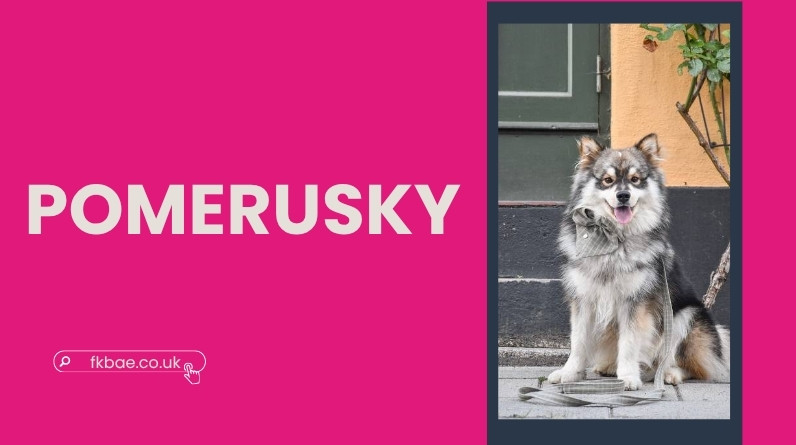
- What a pomerusky is and why it’s also called a Pomsky
- Real size expectations and why they vary so much
- Personality traits—including the challenging side
- Daily care, grooming, and exercise needs
- Full cost breakdown (initial + ongoing)
- Pros, cons, and common owner mistakes
- Clear guidance on whether this dog fits your lifestyle
Introduction
A pomerusky looks like the perfect dream dog—a tiny Husky with fluffy fur and striking eyes. But here’s what most people only discover after bringing one home: this mix isn’t nearly as predictable or low-maintenance as it appears.
Some grow bigger than expected. Some inherit strong Husky behavior that catches owners off guard. And many demand more time, grooming, and consistent training than new owners ever anticipated.
This guide covers everything honestly—so you know exactly what you’re getting into before you fall for those eyes.
What Is a Pomerusky?
Yes, “pomerusky” and “Pomsky” refer to the same hybrid dog—a cross between a Pomeranian and a Siberian Husky. “Pomsky” is simply the more widely used name, though you’ll also occasionally see them called “Huskeranians.”
Parent Breeds Explained
The Pomeranian contributes small size, alertness, and affection. The Siberian Husky adds intelligence, high energy, and that iconic wolf-like appearance. The result is a dog that combines striking looks with a surprisingly bold personality—often more than new owners bargain for.
How Pomeruskies Are Bred
Because of the dramatic size difference between the two breeds, natural mating isn’t possible. First-generation litters are produced through artificial insemination, with the Siberian Husky always serving as the mother. Responsible breeders use health-tested parents and may be registered with organisations like the American Pomsky Kennel Club (APKC), which maintains breeding standards and an open health database.
Why This Hybrid Became Popular
The demand took off when people started searching for a “mini Husky.” A 2011 BuzzFeed article showing concept images of the mix went viral, and by 2012 intentional breeding programmes were underway. Social media kept the momentum going—but the curated photos don’t always reflect the daily reality of ownership.
Pomerusky Size, Appearance & Variations
Average Size (Reality vs Expectations)
Most pomeruskies fall into one of three rough size categories:
- Toy: Under 10 inches tall, 7–15 pounds
- Mini: 10–14 inches tall, roughly 15–20 pounds
- Standard: 12–18 inches tall, 20–35 pounds
That said, these aren’t hard guarantees—they’re general expectations. Actual size depends heavily on genetics.
Why Size Is Unpredictable
This mix combines two breeds at very different ends of the size spectrum. Early-generation (F1) crosses are the most unpredictable, since each puppy can inherit a different balance of traits from either parent. Two puppies from the same litter can look—and grow—quite differently. If precise size matters to you, later-generation crosses from experienced breeders tend to be more consistent.
One important note: be cautious of breeders advertising “teacup” pomeruskies. Most reputable breeders consider selective breeding for extreme miniaturisation unethical, as it often introduces additional health risks.
Coat, Colors & Eyes
- Double coat (thick, fluffy, and built for colder climates)
- Colors: black, white, gray, red, sable, and various Husky-style markings
- Eyes: blue, brown, amber, or heterochromia (two different colors)
Each pomerusky looks a little different, which is part of their appeal—but also part of the uncertainty when buying a puppy.
Pomerusky Personality & Behavior
Core Traits
Pomeruskies are playful, intelligent, and affectionate. They often bond closely with their owners—sometimes very closely, latching onto one person in the household as their primary companion. That loyalty is one of their most endearing qualities.
The Hidden Side
This is where expectations matter most. Many pomeruskies inherit stubbornness from both parents. They learn quickly, but don’t always choose to obey—especially without consistent training from puppyhood. Think of it less as defiance and more as a dog who’s always weighing up whether the reward is worth the effort.
Are They Noisy?
Often, yes. Both parent breeds are famously vocal. Some pomeruskies bark like Pomeranians; others “talk” or howl like Huskies. This isn’t a great combination for apartment living with thin walls or easily annoyed neighbours.
Are They Good With Children?
They can be, but it depends. Pomeruskies are generally friendly and sociable, but they can be skittish around very young children and may not enjoy unpredictable handling. Families with older children tend to have a smoother experience. Early socialisation makes a real difference either way.
Separation Anxiety
Pomeruskies don’t cope well with long periods alone. Without enough attention or stimulation, they can become destructive, anxious, or persistently vocal. If you’re out of the house for most of the working day, this breed will find ways to let you know.
Daily Life With a Pomerusky
Typical Daily Routine
- Morning walk or active play session
- Short training session (10–15 minutes)
- Midday rest and light enrichment
- Evening exercise and bonding time
Apartment vs House Living
They can adapt to apartment living, but only if their exercise needs are genuinely met every day. Without that daily outlet, a small space becomes a problem—fast. Access to a garden helps, though it’s not essential if you’re committed to regular walks.
Time Commitment
Set aside real time daily for exercise, grooming, and interaction. This is not a “leave it to get on with things” kind of dog. If your lifestyle is unpredictable or frequently busy, that’s worth factoring in before committing.
Training a Pomerusky
Why Training Can Be Challenging
The mix of intelligence and independence means they pick things up fast—but compliance is another matter. They respond well when training is engaging and rewarding, and poorly when it feels repetitive or heavy-handed.
Beginner Training Plan
- Start with basic commands (sit, stay, come)
- Keep sessions short—10 to 15 minutes maximum
- Reward with treats and genuine praise
- Be consistent every single day, especially in the early months
Socialization Strategy
Expose your puppy early—and often—to different people, sounds, environments, and other animals. Well-socialised pomeruskies are far more adaptable and confident as adults. Introduce other pets, including cats, slowly and under supervision.
Managing Stubborn Behavior
Patience and structure work. Harsh methods almost always backfire with this breed, tending to create more anxiety or resistance. If early training feels like an uphill battle, working with a certified trainer sooner rather than later is usually the smarter move.
Exercise & Mental Stimulation
Daily Needs
Most pomeruskies need 30–60 minutes of exercise per day. Interestingly, the breed tends to adapt reasonably well to its owner’s energy level—but at minimum, two walks a day plus some brain work is non-negotiable.
Best Activities
- Walks and off-lead runs (in a secure area)
- Fetch
- Puzzle toys and sniff games
- Basic agility or obedience games
What Happens Without Exercise
Boredom leads directly to chewing, barking, and restlessness. Mental stimulation is just as important as physical activity—sometimes more so. A tired pomerusky is a well-behaved pomerusky.
Grooming & Shedding Reality
Do They Shed a Lot?
Yes—and new owners are often surprised by how much. Their double coat sheds moderately year-round, with heavier seasonal blowouts in spring and autumn. Getting well acquainted with your vacuum cleaner is part of the deal.
Weekly Grooming Routine
- Brush 2–3 times per week minimum
- Daily brushing during heavy shedding seasons
- Occasional baths as needed
- Regular nail trims and teeth brushing
Essential Grooming Tools
- Slicker brush
- Undercoat rake
- Nail clippers
Finding a groomer experienced with double-coated breeds is worth the investment—they’ll help keep the coat in good condition between home sessions.
Diet, Feeding & Nutrition
How Much to Feed
Portions depend on your dog’s size and activity level, but most adult pomeruskies do well on two meals per day. Follow the guidance on your chosen food and adjust based on weight and energy.
Diet Options
- High-quality dry food formulated for small to medium breeds
- Wet food (as a complement, not a sole diet)
- Balanced raw diets (if properly managed and vet-approved)
Common Issues
Some pomeruskies develop food sensitivities or skin-related allergies. Watch for signs like itching, recurring ear infections, or digestive upset, and consult your vet if symptoms appear. Overfeeding is also a risk—weight gain puts extra strain on joints in a breed already predisposed to certain joint issues.
Health Issues & Lifespan
Common Health Concerns
- Hip dysplasia
- Patellar luxation (kneecap displacement—common in small breeds)
- Eye problems
- Dental disease
- Skin allergies
- Collapsing trachea (inherited from the Pomeranian side)
It’s worth noting that pomeruskies are still a relatively new hybrid, so long-term health data is limited. Choosing a breeder who conducts genetic health testing on both parents—including OFA and eye certifications—meaningfully reduces the risk of inheriting conditions from either side.
Prevention
Regular vet check-ups, a proper diet, and consistent exercise reduce many risks. Don’t skip annual visits even when your dog seems healthy—early detection makes a real difference.
Lifespan
Typically 12–15 years with proper care.
Cost of Owning a Pomerusky
| Expense | Estimated Cost |
| Puppy Price (reputable breeder) | $1,500 – $5,000+ |
| Annual Care | $1,000 – $2,500 |
| Grooming | $300 – $800/year |
Hidden Costs
Training classes, vet emergencies, grooming tools, and pet insurance all add up quickly. Puppies with blue eyes or distinctive Husky markings typically command higher prices from breeders. Budget honestly—this is not a cheap breed to own well.
Pros and Cons of a Pomerusky
Pros
- Genuinely striking, one-of-a-kind appearance
- Intelligent, playful, and entertaining
- Forms a strong, loyal bond with their people
- Adaptable to different activity levels once mature
Cons
- Unpredictable size and appearance
- High grooming demands and heavy shedding
- Can be stubborn, vocal, and prone to separation anxiety
- Not ideal for families with very young children
Common Mistakes New Owners Make
- Assuming the dog will stay very small—it often doesn’t
- Underestimating the daily grooming effort
- Delaying training and socialisation in the early weeks
- Ignoring mental stimulation and relying on walks alone
- Leaving the dog alone for long stretches without a plan for separation anxiety
Pomerusky vs Similar Breeds
| Breed | Key Difference |
| Pomerusky | Unpredictable size and hybrid traits; high energy |
| Pomsky | Same breed, different name |
| Alaskan Klee Kai | More predictable sizing; purebred with established standard |
Is a Pomerusky Right for You?
Good Fit If You:
- Have time for daily exercise and genuine interaction
- Don’t mind a grooming routine and some fur on everything
- Want an active, engaging, personality-driven dog
- Work from home or have flexible hours
Not Ideal If You:
- Want a low-maintenance or quiet pet
- Are away from home for most of the day
- Have very young children at home
- Live somewhere with noise restrictions
FAQs
How big does a pomerusky really get?
Typically 10–35 pounds, but size varies significantly depending on which parent’s genetics dominate. Toy, mini, and standard size categories give a rough guide, but none are guarantees.
Are pomeruskies good for beginners?
They can be, but only if the owner is genuinely prepared to invest time in training, socialisation, and daily care. Without that commitment, they can become a handful quickly.
Do they bark a lot?
Yes, many do. Some bark, some howl, some do both. It’s one of the most consistent traits inherited from both parent breeds.
Can they be left alone?
Not for extended periods. They thrive on companionship and stimulation. Families who work from home or have someone around most of the day are a much better fit.
Are pomeruskies hypoallergenic?
No. Their heavy double coat sheds considerably, making them unsuitable for anyone with dog allergies.
Conclusion
A pomerusky can be a genuinely wonderful companion—but only for the right owner. They’re smart, affectionate, and visually stunning, and they bring real personality to any home. But they also demand time, patience, consistency, and a decent tolerance for fur.
If you go in with clear expectations and accept the unpredictability that comes with any hybrid, you’ll likely gain a loyal and endlessly entertaining dog. If you’re hoping for something easy and self-sufficient, the challenges will quickly outweigh the charm.
The key is simple: know the reality before you fall in love with the look.